Edition 1
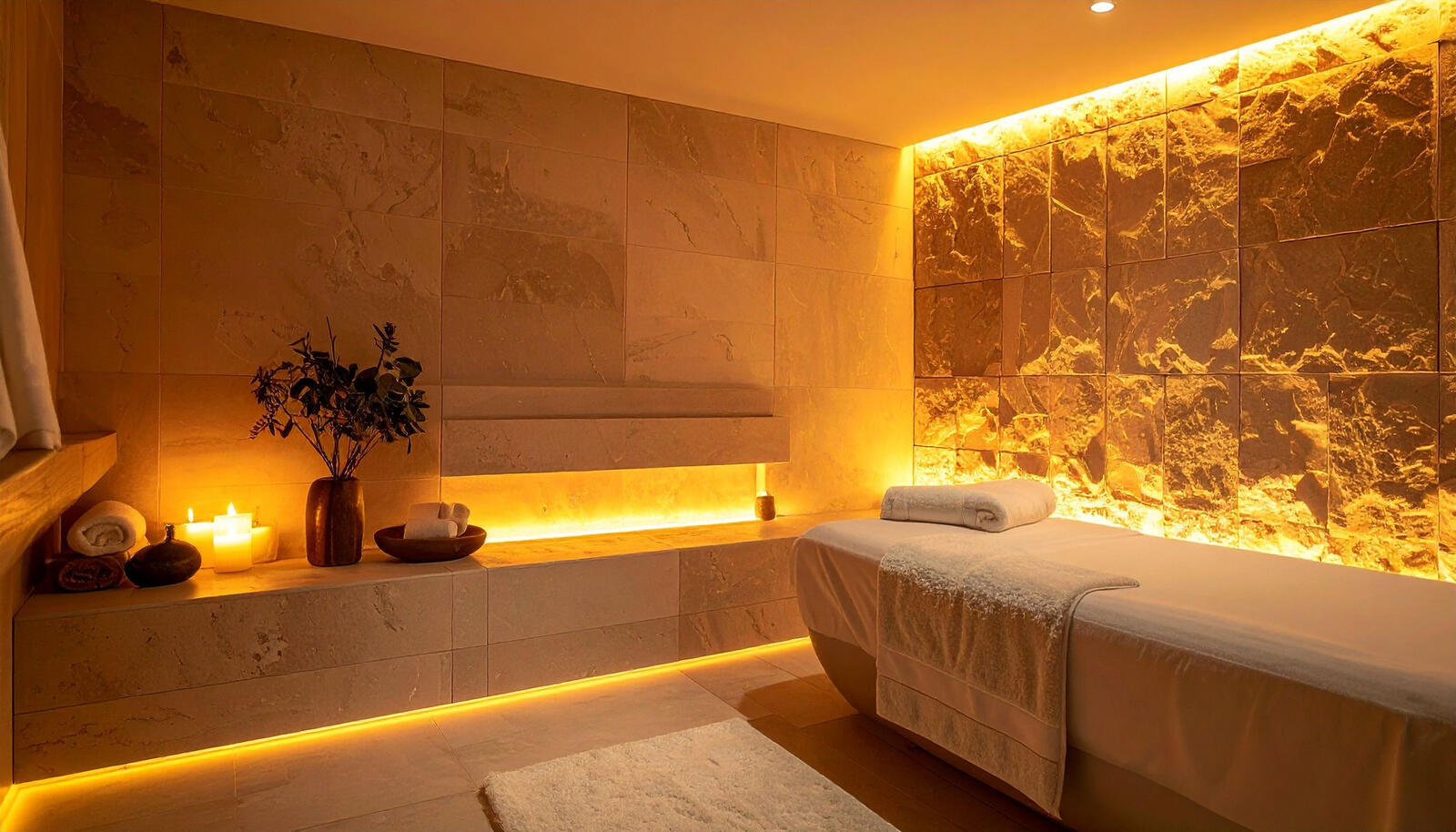
The Five Star Treatment Room
Designing a treatment space that speaks to all five senses — sight, sound, smell, touch and taste — so the room itself becomes part of the treatment.
The EPC Edit · Edition 2
Seven tips for safely treating clients affected by cancer — contraindications, modifications, and how to communicate with confidence.
Published

One of the most important things to understand is that cancer itself is not the contraindication. The treatment, side effects, and the client’s current health status are what matter most. Two clients with the same diagnosis may require completely different modifications depending on their treatment plan and how their body is responding.
Consider:
Rather than focusing only on the diagnosis, focus on the person sitting in front of you. Ask yourself:
One of the biggest mistakes an esthetician can make is assuming the skin is healthy because it looks healthy. Cancer treatments can significantly compromise the skin barrier, even when there are no obvious visible signs. Common side effects may include:
A product or modality that would normally feel gentle may suddenly feel overwhelming to someone undergoing treatment. When in doubt, scale back:
Your goal is never to push the skin. Your goal is to support it.
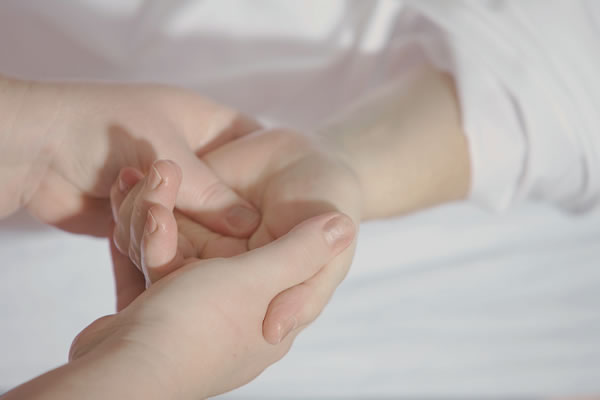
For clients who have had lymph nodes removed or damaged, the lymphatic system may no longer function as it once did. This can increase the risk of lymphedema and change how you approach massage, pressure, and stimulation techniques. This is why facial massage should never be automatic.
Be especially mindful with:
Pay close attention if a client mentions swelling, lymph node removal, radiation, feelings of heaviness, or persistent tightness. These details are not minor — they directly inform how you work.
When in doubt, less is often more. The goal is always to support the body, not challenge it. Always favor gentle touch, light pressure, and techniques that encourage comfort rather than deep or aggressive stimulation.
One of the biggest misconceptions in esthetics is that if a treatment feels relaxing, it must be safe. Not necessarily.
Even treatments that are generally considered gentle may need to be modified for clients undergoing cancer treatment. Steam, exfoliation, active ingredients, strong essential oils, heat, aggressive massage, and stimulating modalities can all place additional stress on skin and systems that may already be compromised.
Rather than asking, “What treatment can I perform?” ask, “What does this client need today?”
In these cases, the priority is always soothing and calming the skin, supporting barrier function, and reducing reactivity before anything else. Results come after stability. A supportive treatment should never challenge an already stressed system.
Your consultation matters just as much as your treatment.
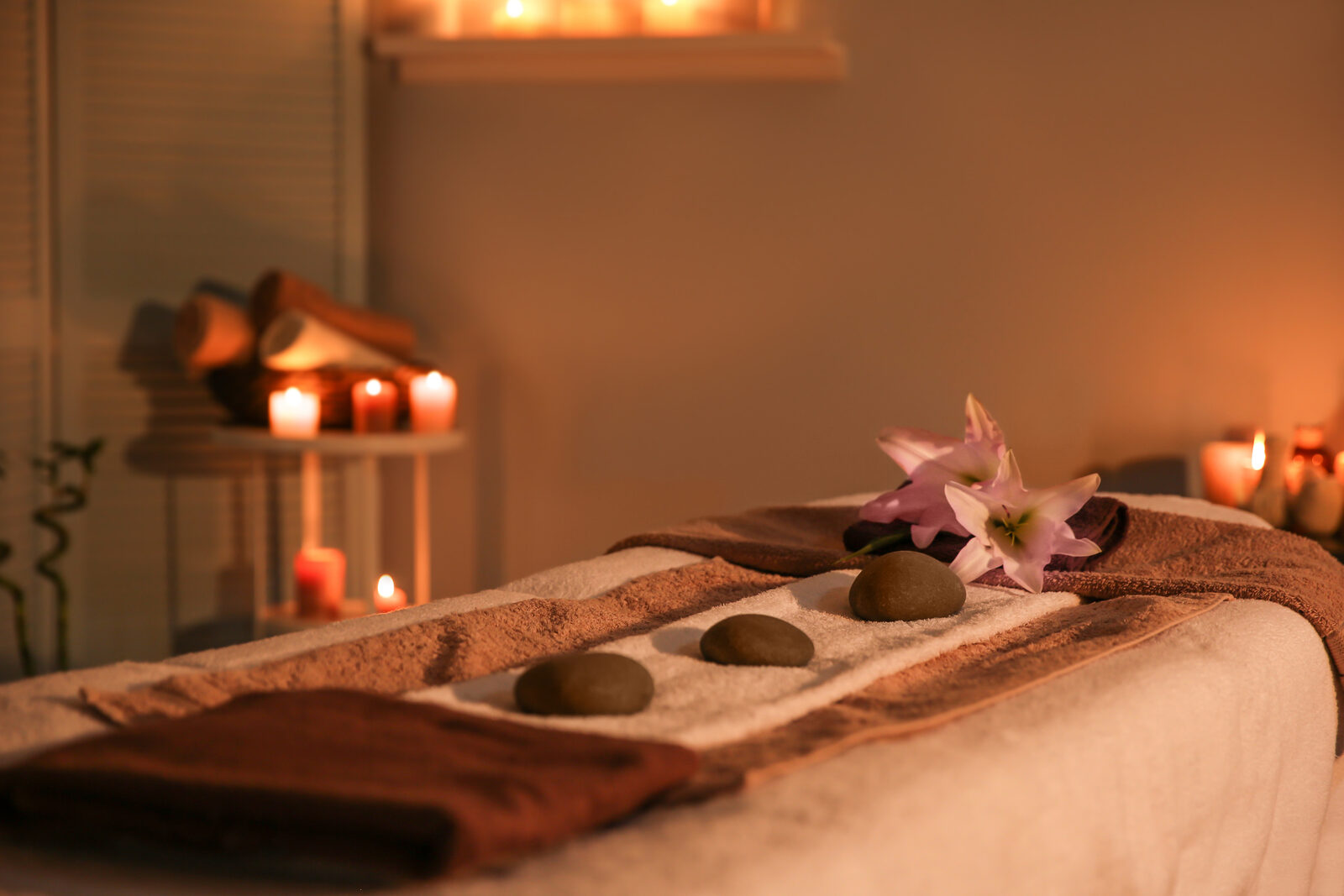
Many clients don’t realize certain information is important to share unless you specifically ask. A thoughtful intake form helps guide safer, more appropriate decisions in the treatment room.
Helpful questions include:
Make space for conversation. Clients affected by cancer are often used to rushed medical appointments, short answers, and limited time. A calm, unhurried consultation can feel just as supportive as the treatment itself and make the client feel heard.
Clients don’t need pity. They need safety, dignity, professionalism, and calm. The way you speak and hold space during a consultation or treatment can completely shape how safe a client feels in your room.
For clients who are already navigating something as emotionally and physically intense as cancer treatment, your presence should feel steady, not amplified.
Avoid overreacting, excessive sympathy, making assumptions, or asking questions that feel invasive or unnecessary. Even when intentions are good, emotional over-identification can make the client feel like they need to comfort you instead of being cared for. Instead, follow their lead. Use neutral, respectful language. Stay grounded in what is relevant to the treatment, and allow them to share only what they are comfortable sharing. Consent and comfort should guide every part of the interaction, from conversation to touch.
Sometimes the most impactful thing you can offer is allowing someone to sit in your space and feel like themselves again without being defined by what they are going through elsewhere.
Fear often causes estheticians to avoid these clients entirely, but avoidance is not the same as safety. True safety comes from education, awareness, appropriate modifications, and thoughtful communication.
You don’t need to memorize oncology medicine to become a more confident esthetician. What you do need is a grounded understanding of contraindications, modifications, skin changes, treatment planning, communication, and client-centered care.
Safety in this context is not about doing everything perfectly. It is about knowing how to slow down, assess what is in front of you, and adjust your treatment based on the client’s current reality rather than assumptions or fear.
When you lead from awareness instead of fear, you create a treatment environment that is both safe and supportive.
Go deeper
When a client affected by cancer sits in your treatment room, uncertainty isn't an option. Learn to adapt treatments safely, understand contraindications and move forward with confidence.
The EPC Edit
Edition 1
Designing a treatment space that speaks to all five senses — sight, sound, smell, touch and taste — so the room itself becomes part of the treatment.
Every edition of The EPC Edit is free — practical, print-ready guidance for your treatment room.