Edition 2
Oncology Essentials Guide
Seven tips for safely treating clients affected by cancer — contraindications, modifications, and how to communicate with confidence.
The EPC Edit · Edition 1
Designing a treatment space that speaks to all five senses — sight, sound, smell, touch and taste — so the room itself becomes part of the treatment.
Published
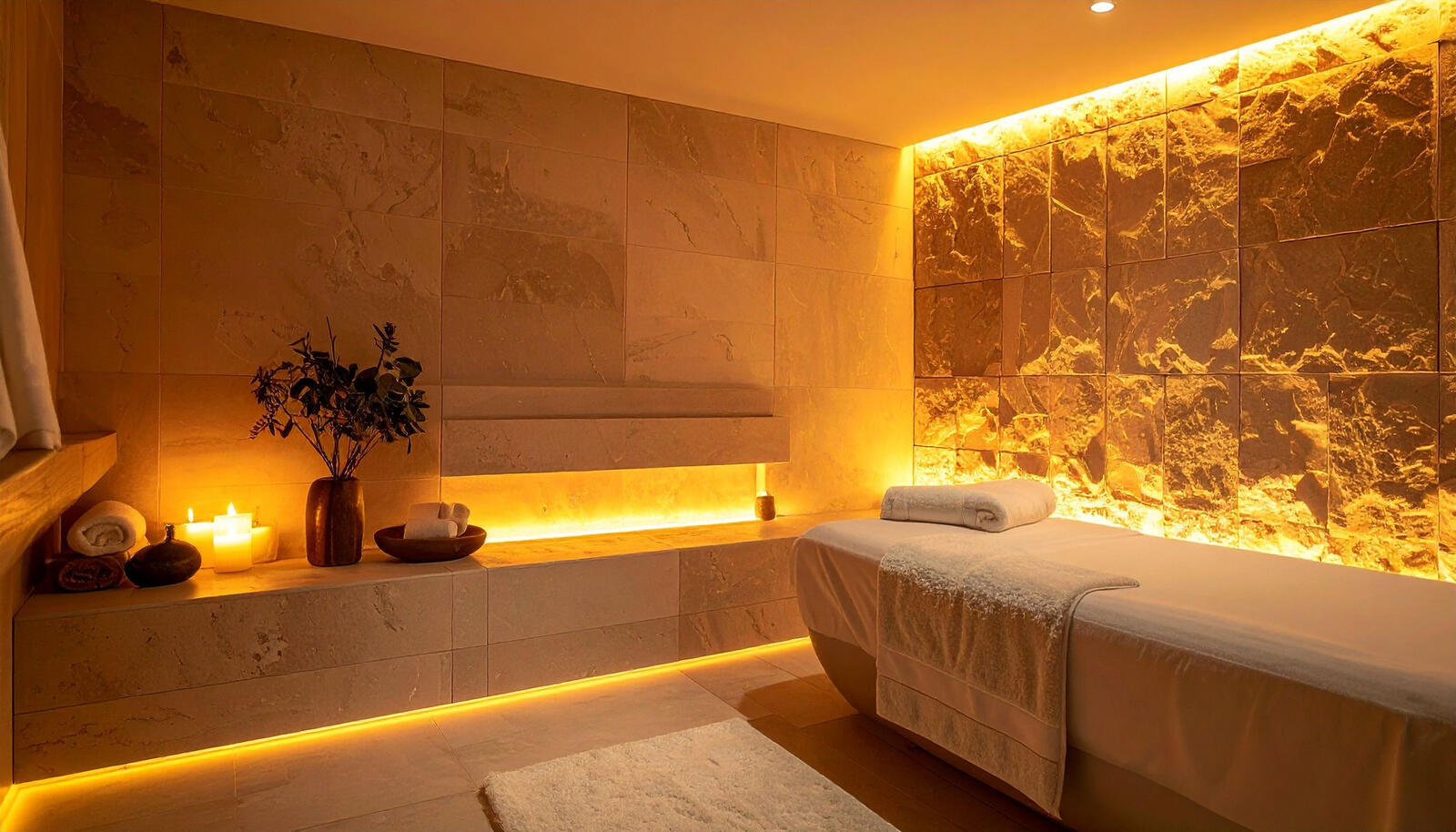
There’s a reason some treatment rooms immediately feel different the moment you walk in. Before a word is spoken or a service begins, something in the environment has already communicated safety, ease, and care. It’s not one thing. It’s the way everything works together at once: the soundtrack, the way the light fills the room, the aroma in the air.
A client can receive a technically good facial, and that absolutely matters because skill will always be the foundation of this work. But when that level of skill exists inside a space that supports the entire sensory experience, something deeper happens. The treatment is no longer just something being done to the skin. It becomes an experience and the nervous system responds. The room becomes part of the work, and that is really what we are building here — not just a treatment room, but a full sensory environment that supports everything you do inside of it.
The best treatment rooms don’t look the same. What makes them memorable isn’t that they follow the same formula, it’s that they feel authentic to the person creating them.
If you love natural textures, bring them in. If you love clean lines and simplicity, lean into that. If you’re happiest surrounded by plants, candles, books, or beautiful artwork, let your personality show. Clients can feel when a space has been thoughtfully created by the person working in it. At the same time, remember that luxury often comes from ease.
When a client walks into your room, they should intuitively know where everything belongs. Their jewelry has a designated place. Their clothes have a designated place. Their bag isn’t balancing on a stool in the corner. A phone charger is available if they need it. Water is within reach. Nothing feels chaotic or like an afterthought.
When everything has a home, the room feels calmer. Your client can settle in without wondering where to put their belongings or what they’re supposed to do next. The goal is a space that feels welcoming, uncluttered, and completely your own.
Aroma should always stay subtle — fresh, grounding, and soft enough that it never competes with the treatment itself.
A few drops of lavender, eucalyptus, or sweet orange can be enough to create a presence in the room without overpowering it. The idea is not for someone to notice a strong scent, but for the space to feel naturally calming the moment they walk in.
I personally only use organic essential oils in treatment spaces. Synthetic fragrance is something I avoid entirely in this context. It can feel overwhelming and I don’t want anything in the air that feels disconnected from supporting the body and nervous system.
In my own space, I prefer a diffuser in the entry or waiting area so the client experiences the aroma as they arrive, and then I let it fade or turn it off during the actual treatment so the room stays clear and balanced. I then pick and choose any aromatherapy for the treatment depending on the client’s mood and needs.
The visual side of the room should guide everything you bring into the space. Before buying decor, decide how you want the room to feel. Create a Pinterest board and start collecting images that resonate with you. Once you see a pattern emerge, you can then use AI to create a rendering of your treatment room with the pieces you’re thinking of (rug — don’t underestimate a cute, well sized rug — side table, chair, etc.) before investing in furniture and decor.
Maybe you’re drawn to a modern, serene space, or warm and earthy. Maybe a slightly moodier Ralph Lauren–inspired aesthetic. Whatever direction you choose, let that become your filter for every purchase.
A beautiful room isn’t filled with beautiful things, it’s filled with things that make sense together. You don’t want a sleek, modern space with a random “Live, Laugh, Love” sign hanging on the wall. You don’t want five different wood tones competing with one another. Keep the room chic, guys!
Make sure the colors, textures, and decor all feel aligned with your brand and the experience you’re trying to create. Some of the most beautiful treatment rooms are surprisingly simple: soft lighting instead of harsh overhead lights, warm neutral tones, clean lines, and a few beautiful pieces that enhance the space rather than clutter it.
The treatment table bed is everything. Your client is spending most of their time there.
It starts with the structure. A sturdy bed is essential because stability creates trust at a subconscious level. If the bed shifts or feels unstable, the body never fully settles, even if the client doesn’t realize why — like a wobbly table at a restaurant.
From there, build comfort in layers. A memory foam or Tempur-Pedic style topper completely changes how the bed feels. It allows the body to soften into the surface and the experience becomes more relaxing. In fact, 95% of clients comment on how comfortable the bed is once you add a plush topper. It’s essential!
A heated table warmer adds another layer to that sense of comfort and is a must. When I receive treatments at places with no table warmer, I’m like, what is going on here? Where is the luxurious heat?! I always keep it on a low setting and adjust based on the client, because temperature preference is personal. And always add the option of a bolster under the knees for back support.
Bedding also plays a large role in treatment comfort. I prefer cotton over polyester because it feels more breathable and more natural against the skin.
The layering doesn’t need to be complicated: a fitted sheet or flat sheet depending on your preference, a top sheet, and then an additional layer depending on the season. In colder months, a light down comforter with a duvet cover creates a sense of warmth and luxury with its plushness. In warmer months, lighter but still cozy layers work. There’s something powerful about adjusting the space with the seasons — it keeps it interesting for your clients.
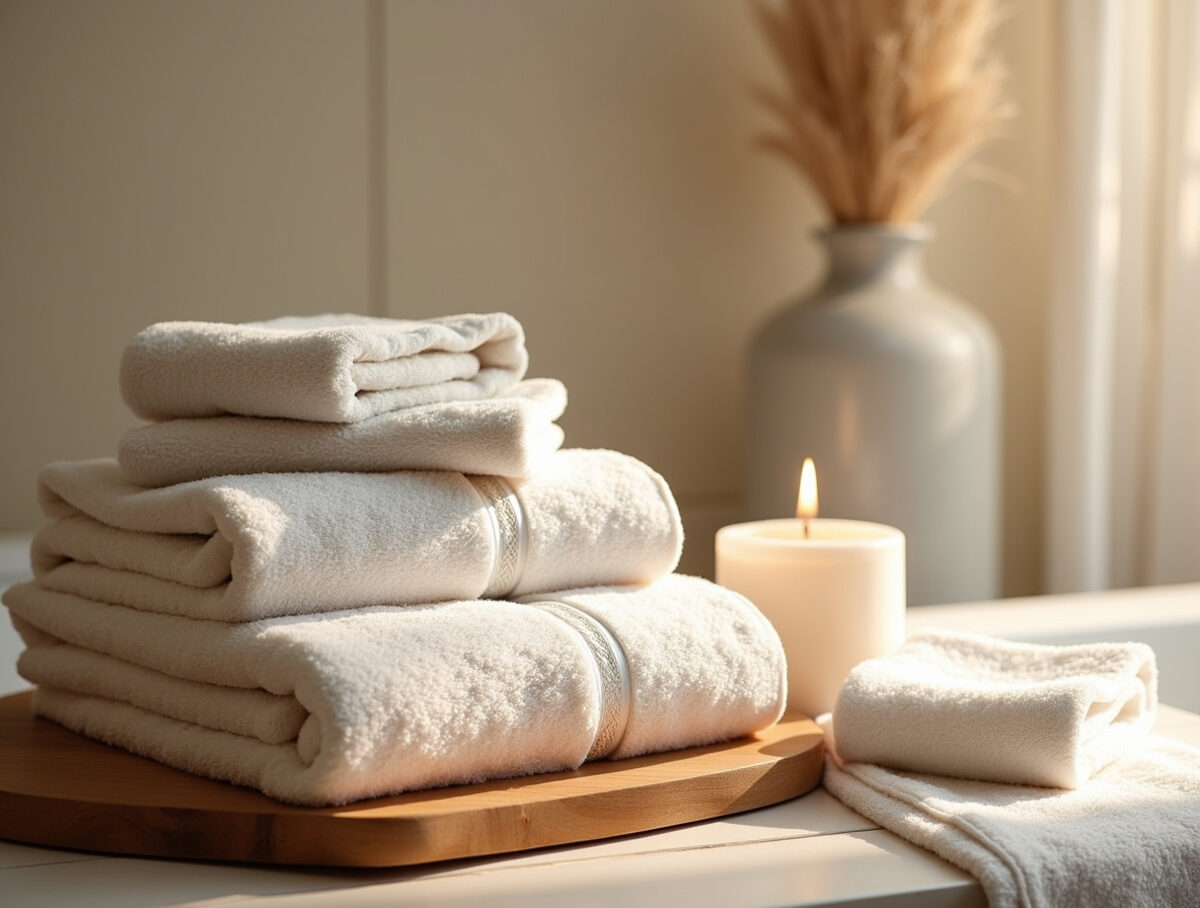
Texture is another layer that people respond to immediately. It is often one of the first things the body registers: the softness of a blanket, the feel of a towel against the skin, the fabric of the robe and headband, even the chair they sit in before and after the treatment. These are the details that shape the emotional memory of the experience.
Pro tip: choose soft towels over heavily textured ones, especially when performing resurfacing treatments. Lightly mist your linens with an essential oil spray so clients are welcomed by a subtle aroma as they settle in.
Music is so personal. I always tell estheticians to choose music they genuinely enjoy themselves rather than what they think a spa should sound like.
When you actually like what you are listening to, your own rhythm changes and the treatment flows more easily because you’re vibing with the environment.
That might be soft spa music, sound healing, bossa nova, or a playlist you discovered that just feels right in your hands while you work.
There’s no single correct version of this. It just has to feel like you. When you’re comfortable in your space, the client feels that immediately! Check out our EPC Healing Frequencies playlist on Spotify.
Offering your client something to drink before or after their service is being a good host. Purified water is a must, and bonus points if you add a little fresh cucumber or mint because we’re fancy like that.
I also love offering sparkling water and a small selection of organic teas. When you’re steeping tea in hot water, you’re extracting everything, including pesticide residues if they’re present. That’s just not something I’m interested in serving.
If you’d like to take it a step further, offer a few simple snack options for clients who may be coming from work, the gym, or running errands. A few easy ideas:
Nothing elaborate, just thoughtful. It’s one of those small details that makes people feel cared for.
Temperature is one of the most immediate ways to shift someone’s state without them realizing it. The goal is comfort.
In the winter, the room should feel warm enough that a client never has to adjust or tense up from cold air. In the summer, it should feel cool and comfortable, but not in that overly aggressive way where the AC is so strong it becomes uncomfortable. The room should feel like it’s already taking care of them.
With your table warmer, always check in at the beginning of the treatment to see what feels good for them. Don’t assume that once it’s set, it stays perfect the whole time. I also like to re-check mid-treatment when there’s a natural pause, because sometimes clients warm up, sometimes they cool down, and sometimes they don’t even realize they want a slight adjustment until you ask.
The best luxury experiences aren’t always about the things clients expect. They’re often about the things they didn’t realize they needed until you provided them.
Having a few thoughtful extras available creates a five-star experience and shows clients you’ve thought through every detail. Consider keeping the following on hand:
These little conveniences don’t cost much, but they make a lasting impression — I’m telling you!
Keep it handy
The EPC Edit
Edition 2
Seven tips for safely treating clients affected by cancer — contraindications, modifications, and how to communicate with confidence.
Every edition of The EPC Edit is free — practical, print-ready guidance for your treatment room.